
When it comes to moving large amounts of cryptocurrency, traditional exchanges often fall short. Price slippage, low liquidity, and public trade visibility can make the process inefficient and costly. This is where crypto OTC trading, also known as over-the-counter trading, comes into play.
In this guide, we’ll explore what crypto OTC trading is, how it works, the advantages and risks, who uses it, and how to get started with platforms like Herald Exchange OTC.
What is Crypto OTC Trading?
Crypto OTC trading refers to the process of buying and selling cryptocurrencies directly between two parties, rather than through a public exchange and order book. These transactions are typically facilitated by OTC desks, brokers, or secure peer-to-peer platforms.
Instead of placing large buy or sell orders on a centralized exchange (CEX) and risking sudden market fluctuations, OTC trading lets high-volume traders transact in private with custom pricing and flexible settlement.
How Does Crypto OTC Trading Work?
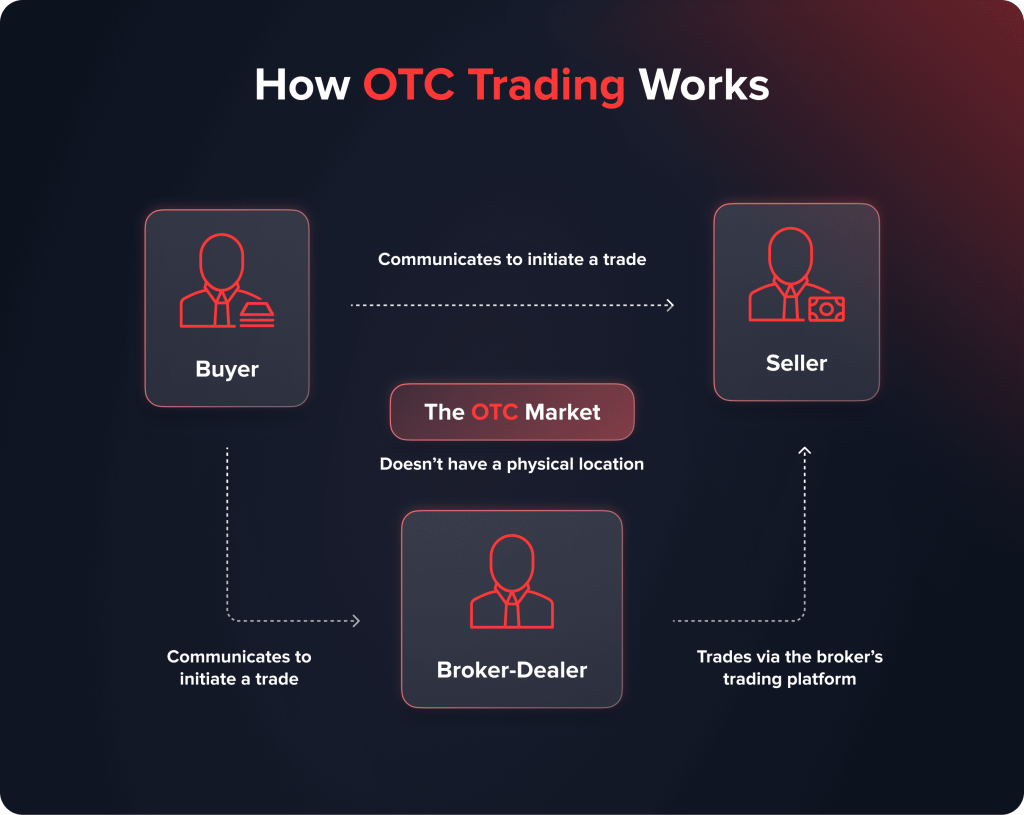
Understanding how crypto OTC works involves breaking down its typical trade process:
Step 1: Initiating the Trade
A trader contacts an OTC trading platform or desk to buy or sell a large amount of digital assets. These desks often have access to deep liquidity pools to accommodate sizable trades.
Step 2: Compliance Checks (KYC/AML)
Reputable OTC desks perform Know Your Customer (KYC) and Anti-Money Laundering (AML) checks to verify identities and ensure regulatory compliance.
Step 3: Price Negotiation
Unlike exchange-based trades, OTC trades involve direct negotiations. Traders agree on pricing without relying on market order books, reducing price slippage.
Step 4: Trade Settlement
Settlement can be completed in fiat, stablecoins, or cryptocurrencies. Depending on the platform, this can be instant or happen over a defined timeframe.
Optional: Escrow Services
Some OTC platforms use escrow to hold assets securely until both parties fulfill their trade obligations.
Who Uses Crypto OTC Trading?
OTC crypto trading is favored by:
- Institutional investors
- High-net-worth individuals (HNWIs)
- Hedge funds
- Crypto whales
- Businesses moving large volumes
These participants prefer OTC desks because of privacy, minimized market impact, and tailored services.
Advantages of OTC Crypto Trading
1. Privacy and Discretion
Unlike centralized exchanges, OTC trades are not visible to the public, keeping strategies and amounts private.
2. Reduced Price Slippage
OTC trading enables traders to lock in rates and avoid affecting the market with large orders.
3. High Liquidity Access
Top OTC trading platforms offer deep liquidity, making large-volume transactions smoother.
4. Personalized Service
Many OTC desks provide 1-on-1 support, post-trade reporting, and flexible settlement options.
Risks and Challenges of Crypto OTC Trading
There’s always a chance one party doesn’t fulfill the trade. Escrow or regulated desks can help reduce this.
Regulatory Compliance
Varying global laws mean KYC/AML checks are crucial. Traders must ensure platform legitimacy.
Scams and Fraud
Unregulated OTC platforms may attract scammers. Always verify credentials and use known desks.
Limited Price Transparency
Since these trades happen off-book, discovering true market prices can be harder without broker guidance.
Types of Crypto OTC Trading
Broker-Facilitated OTC
Brokers connect buyers and sellers, helping negotiate terms and ensuring smooth execution.
P2P OTC Trading
Peer-to-peer trading removes intermediaries but often requires escrow for trust and security.
Popular platforms:
- Coinbase Prime
- Kraken OTC
- Binance OTC
- Paxful
- KuCoin
How to Get Started with Herald Exchange OTC (HeraldEX)
Herald Exchange OTC is an emerging OTC trading platform offering fast, private crypto trades with fiat on- and off-ramp services. It supports operations in over 49 countries and ensures smooth access for high-volume traders.
Step-by-Step Guide:
- Sign up on HeraldEX with your email and phone.
- Verify OTP and set up 2FA for security.
- Submit KYC documents for identity verification.
- Contact OTC desk via platform request.
- Negotiate trade details (price, volume, method).
- Use escrow or broker for trade execution.
- Settle in fiat, stablecoin, or crypto.
- Access post-trade support if needed.
Why Choose HeraldEX?
- Global presence (49+ countries)
- Quick setup with 2FA and KYC
- Regulated desk with escrow option
- Tailored support and dedicated account managers
Whether you’re converting large amounts or moving between fiat and crypto, HeraldEX makes crypto OTC trading secure, fast, and private.
OTC Crypto Trading vs Traditional Exchange Trading
| Feature | OTC Trading | Traditional Exchange |
|---|---|---|
| Privacy | High – Private deals | Low – Public order book |
| Slippage | Low | Can be high |
| Liquidity Access | High for large trades | Varies |
| Price Negotiation | Yes | No |
| Service Personalization | Yes (concierge-level) | No |
Is OTC crypto trading legal?
Yes. As long as the platform follows local regulations and implements KYC/AML policies.
Who should use OTC crypto trading?
Institutions, HNWIs, and anyone looking to move large volumes without affecting public markets.
Can individuals use HeraldEX OTC?
Yes. HeraldEX serves individuals and businesses alike with secure onboarding and real-time support.
Final Thoughts
Crypto OTC trading offers a more discreet, flexible, and controlled way to move large digital assets. Whether you’re an investor, a business, or an institutional trader, it opens the door to deep liquidity, personalized service, and better execution.
With regulated platforms like Herald Exchange OTC, getting started has never been easier. Register today and experience smoother, safer, and smarter crypto trading.